Off-plan property is one of the most talked-about real estate opportunities in Nigeria right now.
But it is also one of the most misunderstood.
For some investors, it has been a path to building wealth early. For others, it has led to delays, frustration, and financial loss.
So the real question is not whether off-plan property is good or bad.
The real question is:
how do you know when it is safe to invest?
In this article, we break down:
- What off-plan property really means in Nigeria
- The real risks most people don’t talk about
- The benefits that attract smart investors
- And how to avoid costly mistakes in 2026
What is Off-Plan Property in Nigeria?
Off-plan property simply means buying a property before it is fully built.
You are investing based on:
- Architectural drawings
- Construction plans
- Developer promise and timeline
- Projected delivery value
Instead of buying a completed building, you are entering at the development stage.
In Nigeria, this model is common in:
- Lagos (Lekki, Ikoyi, Victoria Island, Ajah, Chevron, Orchid Road)
- Abuja emerging districts
- High-growth estate developments
Why Off-Plan Property is So Popular in 2026
Despite the risks, off-plan remains attractive for one major reason:
Price advantage
Investors often pay significantly less at early stages compared to completed units. But beyond pricing, there are deeper drivers:
1. Rising cost of completed properties
Due to inflation and construction costs, completed homes are becoming less accessible.
2. Flexible payment structures
Developers now offer:
- installment plans
- milestone-based payments
- staged financing options
3. Capital appreciation potential
Early investors often benefit from:
- price increases during construction
- higher resale value upon completion
The Real Risks of Off-Plan Property in Nigeria
This is where most property developers avoids honesty. But this is where buyers lose money.
1. Project delays
Delays are the most common issue in off-plan developments.
Causes include:
- funding gaps
- FX-related material costs
- construction inefficiencies
- regulatory bottlenecks
2. Abandoned or stalled projects
Some developments never reach completion due to:
- poor capital structure
- overpromising by developers
- weak project planning
3. Quality mismatch at delivery
What is promised is not always what is delivered:
- lower finishing quality
- reduced specifications
- design compromises
4. Documentation uncertainty
Some buyers only discover issues late:
- land title complications
- incomplete approvals
- unclear ownership structure
5. Market price shifts during construction
In unstable economies, pricing assumptions can change mid-project.
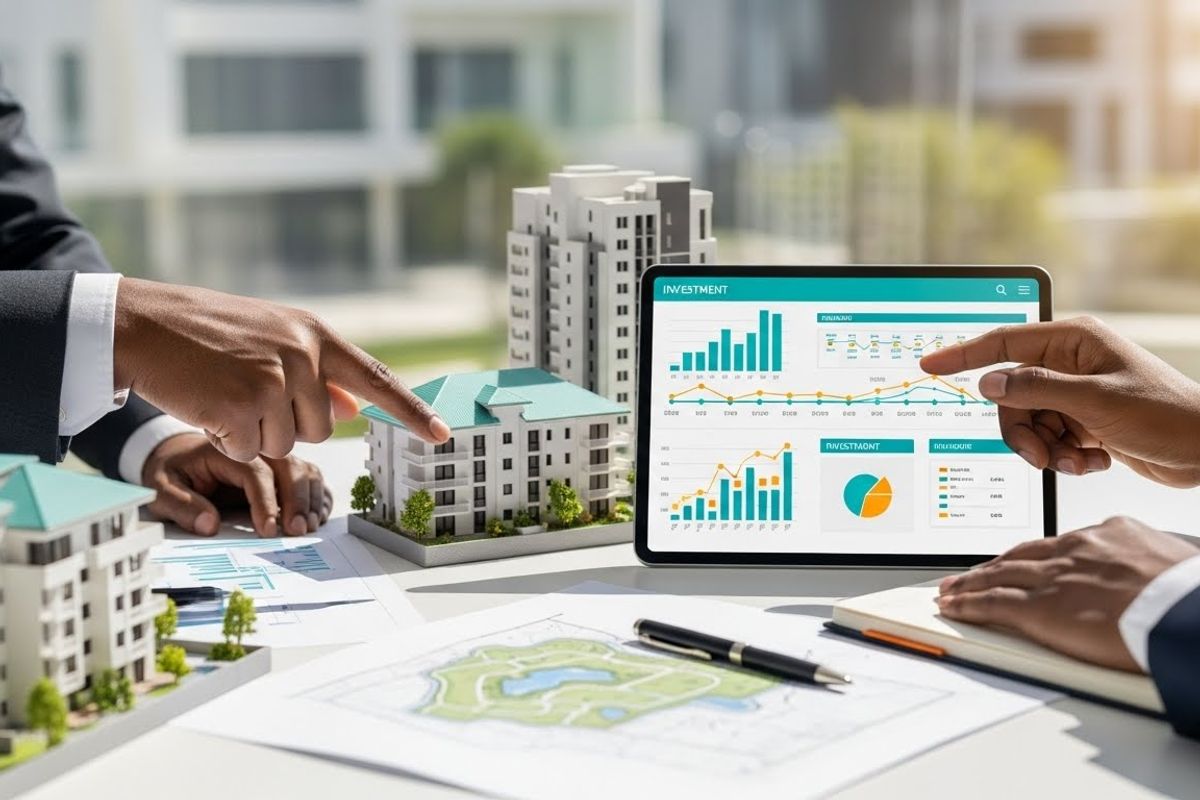
The Benefits of Off-Plan Investment (When Done Right)
Off-plan is not the problem. The structure behind it is what determines success.
1. Lower entry cost
You enter before full market valuation.
2. Structured payment plans
You reduce immediate financial pressure.
3. Higher potential ROI
Early investors often benefit from appreciation before completion.
4. Access to new-generation developments
Modern estates with:
- better layouts
- improved infrastructure
- smarter community planning
How to Avoid Losing Money in Off-Plan Property (Must Read)
This is the most important part of this article.
If you remember nothing else, remember this:
You are not just buying a property.
You are trusting a developer’s ability to deliver.
Here is how to evaluate that trust properly:
1. Check the developer’s delivery history
Do not rely on promises.
Ask:
- What have they completed before?
- Are those projects occupied and functional today?
2. Confirm land documentation clarity
Before committing:
- verify land title status
- confirm approvals
- understand ownership structure
3. Evaluate construction visibility
Serious developers show progress:
- ongoing site activity
- milestone-based updates
- transparent timelines
4. Avoid emotionally driven buying
Luxury visuals are not proof of delivery.
Ask:
- What stage is construction really at?
- What is the funding structure?
5. Understand the payment structure
Safer models include:
- milestone-based payments
- construction-linked releases
Riskier models involve:
- large upfront payments with unclear timelines
What Smart Investors Look for in 2026
In today’s Lagos real estate market, smart investors prioritize:
1. Proven developers over new hype
Track record is now more valuable than marketing.
2. Location with infrastructure growth
Not just “popular areas,” but:
- growth corridors
- government-backed development zones
3. Realistic pricing vs overpromising returns
If it sounds too perfect, it usually is.
4. Transparent project communication
Frequent updates = higher trust signals.
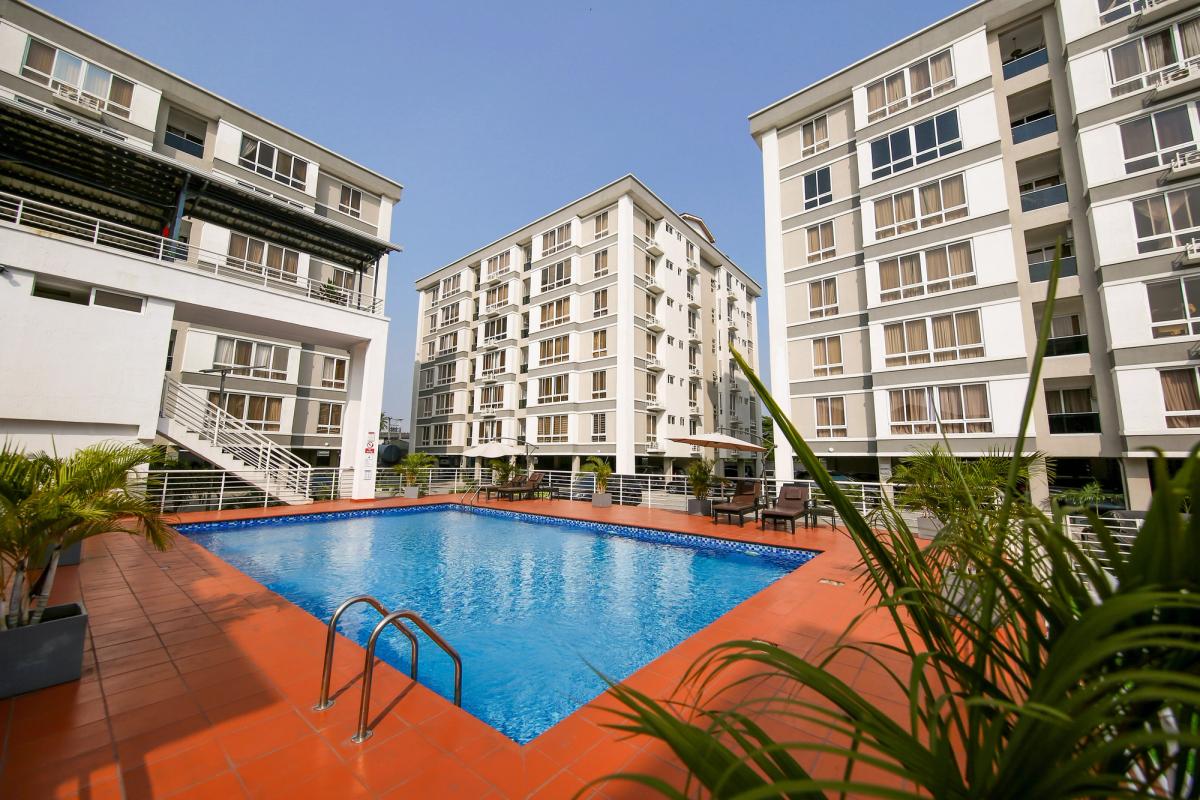
Where Glendale Properties Fits Into This Conversation
At Glendale Properties, off-plan development is not treated as speculation.
It is treated as structured delivery. Our approach is built on:
- phased project execution
- documented development history
- estate-based community planning
- long-term asset value creation
Projects such as:
reflect a focus on structured, deliverable real estate, not abstract promises.
CONCLUSION
Off-plan property in Nigeria is neither good nor bad by default.
It is a system. And like any system, outcomes depend on:
- who you invest with
- how well you understand the risks
- how disciplined your decision-making is
In 2026, the smartest investors are not chasing the cheapest entry.
They are chasing the safest delivery.
If you are considering off-plan investment in Lagos and want clarity before making a decision, explore ongoing Glendale Properties developments or speak with our team for structured guidance.